.png)
.png)
.png)
Maximizing Your Home's Potential: A Comprehensive Guide to Electrical Panel Requirements for EV Charging

When you imagine powering your electric vehicle at home, it’s easy to focus on the convenience of plugging into your garage or driveway. But beneath that everyday simplicity lies an intricate system of electrical distribution—a network that starts with your home's electrical panel. For many homeowners eyeing a switch to electric mobility, understanding this crucial hub is key not only to ensuring efficient charging but also to safeguarding against potential overload and compliance issues.
At the heart of this setup is the ampacity of your panel: the measure of how much current it can safely handle. Many modern homes have evolved from older 100A systems toward more robust 200A panels, a change driven by the growing energy demands of contemporary appliances and technologies. For an electric vehicle charger—especially one designed for Level 2 charging—the demand is significant; a dedicated circuit with sufficient capacity isn’t just a convenience but an absolute necessity.
Recognizing these challenges goes beyond simple electrical theory—it involves acknowledging that our homes are living systems, evolving in step with technology and regulatory standards. A well-conceived installation not only supports today’s energy needs but also paves the way for future upgrades, ensuring that your home remains safe, compliant, and fully prepared for tomorrow’s innovations.
Evaluating Your Home's Electrical Infrastructure: A Pre-Installation Checklist
Before you dive into upgrading your electrical panel and installing a charger, take some time to assess your home's overall electrical infrastructure. This pre-installation checklist helps ensure that your property is ready for the demands of EV charging.
• Age and condition of wiring: Inspect the age and condition of your home's wiring. If it's aluminum or knob-and-tube wiring, you might need to replace it before installing a charger.
• Existing circuit capacity: Determine if any circuits are already at or near their maximum capacity. Adding an EV charger to an overloaded circuit can cause issues.
In addition to checking the wiring and existing loads, consider these aspects:
• Conductor size: Ensure that the conductors (wires) between your electrical panel and the proposed charger location are appropriately sized for EV charging.
• Grounding requirements: Verify that your electrical system is properly grounded, as this is crucial for safe operation of the EV charger.
By thoroughly evaluating your home's electrical infrastructure before starting the upgrade process, you'll save time and avoid potential complications down the line. Always consult with a licensed electrician to ensure accurate assessments and compliance with local regulations.
Demystifying the Basics of Home Electrical Panels
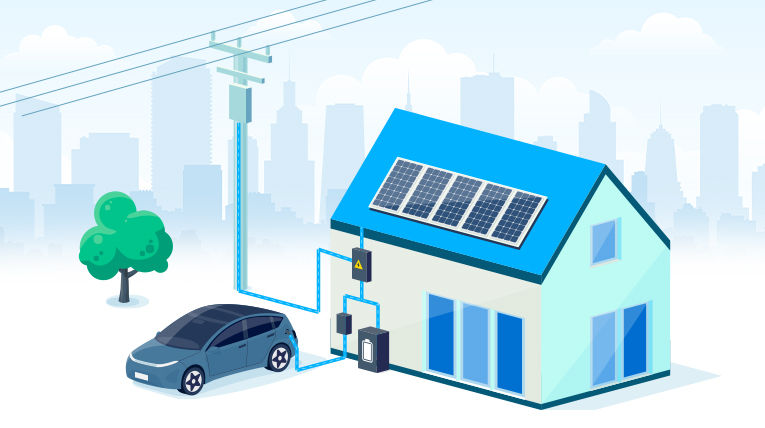
Your electrical panel is more than just a box in your garage or basement—it’s the central hub through which electricity flows into your home. This critical component distributes power from the utility company to various circuits throughout your house, ensuring each appliance and outlet receives the necessary energy.
The panel houses circuit breakers that protect individual circuits from overloading. Each breaker corresponds to a specific area or set of outlets in your home, allowing you to control power distribution efficiently. For example, if one circuit becomes overwhelmed—say, by too many appliances running simultaneously—the corresponding breaker will trip, cutting off the power and preventing potential hazards such as electrical fires.
Understanding these basics sets a solid foundation for comprehending why certain upgrades are necessary for EV charging. Knowing how your panel operates allows you to make informed decisions about its capacity and safety features, ensuring that any additions—like an electric vehicle charger—are integrated seamlessly into your home’s power grid.
Understanding NEMA Plugs and EVSE Connector Types
When choosing an electric vehicle (EV) charger for your home, understanding the different plug types is essential to ensure compatibility with your electrical panel and EV. The most common connectors used in residential charging are NEMA plugs.
The NEMA (National Electrical Manufacturers Association) has established standards for various plug types, with 14-50 being the most common for residential EV charging. This 240V, 50A plug is typically hardwired to your electrical panel and provides a dedicated circuit for Level 2 chargers. It's widely accepted by most EVs on the market today.
However, some newer or more advanced EVs may require different connector types or higher amperage. Here are a few additional NEMA plugs and their corresponding EVSE (Electric Vehicle Supply Equipment) connectors:
• NEMA 14-60 (240V, 30A): Suitable for basic Level 1 charging or some plug-in hybrid EVs with lower power requirements.
• NEMA L14-30 (240V, 30A): A twist-lock version of the NEMA 14-30, often used in RV parks and mobile homes. Some EVSE units may come with an adapter for this plug type.
• NEMA 14-50T (240V, 50A): A twist-lock version of the NEMA 14-50, typically used in commercial settings but can be found in some residences. Some EVSE units may come with an adapter for this plug type as well.
When selecting a NEMA plug and EVSE connector, consider your vehicle's requirements, your electrical panel's capacity, and the amperage needed for efficient charging. Consulting with a licensed electrician will help ensure you make the right choice for your specific situation.
The Evolution of Electrical Panels: From 100A to 200A
The shift from 100A to 200A panels reflects the evolution of modern living and the increasing demand for electricity. Older homes, often equipped with 100A panels, were designed during a time when energy consumption was significantly lower. Today’s appliances, however, require more power—from high-efficiency HVAC systems to advanced kitchen gadgets.
This transition is particularly relevant for EV charging. Electric vehicles (EVs) demand substantial amounts of electricity, especially if you opt for Level 2 charging, which can deliver up to 80 amps of current. For many homeowners, upgrading from a 100A panel to a 200A system becomes essential. This upgrade not only supports the high-energy requirements of EV chargers but also accommodates future electrical needs as technology continues to advance.
When considering an upgrade, it’s crucial to understand that this process involves more than just installing new hardware. It requires careful planning and compliance with local regulations. Professional electricians are trained to navigate these complexities, ensuring that your home's electrical system remains safe and efficient throughout the transition. By upgrading to a 200A panel, you’re not only preparing for EV charging but also future-proofing your home against the ever-increasing energy demands of modern life.
Why Dedicated Circuits Are Essential for Efficient EV Charging
A dedicated circuit is vital for ensuring that your electric vehicle receives consistent power without overloading other circuits in your home. This setup guarantees that the charger draws its necessary current from a specific, isolated source rather than sharing it with other appliances.
When you share a circuit between high-demand devices—like an EV charger and a washing machine—the risk of overload increases significantly. A dedicated circuit mitigates this danger by providing a direct line to your vehicle’s charging system. This isolation ensures that your home remains safe, reducing the likelihood of tripped breakers or, worse, electrical fires.
In addition to safety concerns, using a shared circuit can lead to inefficiencies in charging times. When multiple appliances compete for power on the same circuit, each device may receive less current than needed, resulting in slower charging and potential disruptions. A dedicated circuit eliminates these issues, providing your EV with uninterrupted, efficient energy flow.
Navigating Permits and Professional Installation
Upgrading your electrical panel to support an EV charger is a significant project that involves navigating permits and professional installation. This process can seem challenging, but understanding the steps involved will help ensure a smooth transition. The first step is obtaining the necessary permits from your local authorities.
Permits are crucial for ensuring that your electrical work meets all safety standards and regulations. They involve inspections at various stages of the project to verify compliance with codes and guidelines. By working with licensed professionals, you can rest assured that every aspect of the installation will be handled correctly, from initial planning to final inspection.
Professional electricians bring a wealth of experience and knowledge to your project. Their training enables them to assess your home’s electrical system comprehensively, identifying any potential issues before they become problems. This expertise is invaluable when installing an EV charger, as it ensures that the setup is not only safe but also optimized for efficiency.
Maximizing Safety and Compliance in Your EV Charging Setup
Safety should always be a top priority when upgrading your home’s electrical system. Adhering to safety standards and regulations is crucial, as it ensures that the installation process is carried out correctly and that your setup remains safe over time.
One key aspect of compliance involves using the right materials and equipment. This includes selecting high-quality circuit breakers, wiring, and connectors designed for EV charging applications. Additionally, regular inspections help maintain safety by identifying any potential issues early on, allowing for timely repairs or adjustments.
When installing an EV charger, it’s essential to follow local codes and guidelines closely. These regulations are in place to protect both your home and its occupants from electrical hazards. By adhering to these standards, you can have peace of mind knowing that your setup is safe and reliable.
Future-Proofing Your Home for Electric Vehicles
As electric vehicles become more prevalent, future-proofing your home’s electrical system is a wise investment. Upgrading your electrical panel now can save you time and money in the long run, ensuring that your home remains equipped to handle evolving energy demands.
This proactive approach not only supports current EV charging needs but also prepares your home for potential future upgrades. As technology advances, new appliances and devices will require more power, making a robust electrical system essential. By investing in an upgrade today, you’re positioning your home to adapt seamlessly to tomorrow’s innovations.
Staying informed about emerging trends in EV technology can further enhance your home’s preparedness. Keeping abreast of developments such as faster charging speeds and improved battery efficiency allows you to make strategic decisions regarding future upgrades. By planning ahead, you ensure that your electrical system remains efficient and capable of supporting new technologies.
Empowering Your Home for the Future with Powersource Solutions
In conclusion, upgrading your home's electrical panel for EV charging is a multifaceted process that involves understanding ampacity, ensuring dedicated circuits, navigating permits, and prioritizing safety. By addressing these aspects comprehensively, you can create an efficient and reliable setup tailored to your specific needs.
If you’re ready to take the next step in electrifying your home, consider reaching out to Powersource Solutions for expert guidance and professional installation services. Our team of certified electricians is committed to delivering high-quality workmanship and ensuring that your EV charging system meets all necessary standards and regulations. We are dedicated to providing exceptional service and supporting you every step of the way.
Contact us today to schedule a consultation and start your journey toward a more sustainable future with Powersource Solutions.
Question 1
What is the first step in installing an EV charger at my home?
At Powersource Solutions, we make sure that our clients have a hassle-free experience from start to finish. The first step is for you to choose an electric vehicle (EV) charger that best suits your needs and your vehicle's requirements.
Our user-friendly website features a wide range of high-quality chargers designed to meet the diverse needs of modern EV owners. Once you've found the perfect charger, our tailored process ensures the best fit for your home. From there, we'll provide an instant installation quote based on a brief questionnaire.
Question 2
Is it necessary to upgrade my electrical panel when installing an EV charger?
Upgrading your electrical panel may be required depending on the amperage rating of the EV charger you choose and the current capacity of your panel. Most homes in the U.S. have a 100 or 200 amp service, which should accommodate a Level 1 (120V) charger for most EVs.
A Level 2 (240V) charger can significantly reduce charging times but may require an electrical panel upgrade to handle the increased load. For example, if you opt for a 48A or 56A charger, your home might need a 200 amp service.
Our expert team at Powersource Solutions will assess your existing electrical infrastructure and help determine whether an upgrade is necessary before proceeding with any installation work.
Question 3
Why should I choose a dedicated circuit for my EV charger?
A dedicated circuit ensures that your electric vehicle (EV) charger has a consistent power supply, allowing it to function at its optimal level. When you share a circuit with other appliances, the power available to your charger can be reduced, leading to slower charging times.
In addition to faster charging, a dedicated circuit offers improved safety. By isolating the EV charger from other electrical loads, you reduce the risk of overloads and potential electrical hazards. This is particularly important when charging powerful electric vehicles that require higher amperage.
A dedicated circuit also makes it easier for our certified electricians to install your charger safely and efficiently, as they won't have to contend with other electrical appliances on the same circuit.
Question 4
How long does it take to install an EV charger?
The duration of an EV charger installation can vary depending on several factors, such as your home's existing electrical infrastructure, the type and model of charger you've chosen, and any required upgrades or modifications.
On average, a straightforward installation – where no significant changes to your electrical panel are needed – can take between 4 to 8 hours. More complex installations may take longer, potentially up to a full day or even multiple visits, depending on the extent of the work involved.
Our team at Powersource Solutions will provide you with an estimated installation time once we have assessed your specific needs and requirements. We always ensure that our clients are fully informed about what to expect during the installation process.
Question 5
Do I need any special permits to install an EV charger?
Yes, depending on your location, you may need to obtain certain permits before installing an electric vehicle (EV) charger at your home. Permits help ensure that installations are carried out safely and in accordance with local regulations and building codes.
The process of obtaining permits can vary by region and jurisdiction. In some cases, you might be able to pull the permit yourself, while in others, our certified electricians at Powersource Solutions may handle this process for you as part of our comprehensive installation service.
Rest assured that we will guide you through the necessary steps to ensure your EV charger installation is fully compliant with all relevant regulations and standards. We want to make sure that your experience is hassle-free from start to finish.
Question 6
Why is it important to hire a licensed professional for my EV charger installation?
Hiring a licensed professional for your electric vehicle (EV) charger installation ensures that the job is done safely, efficiently, and in compliance with local regulations. Our certified electricians at Powersource Solutions possess the necessary training and experience to handle these specialized installations.
A professional installation helps prevent potential electrical hazards and ensures optimal performance from your EV charger. DIY installations or hiring unlicensed contractors can result in shoddy workmanship, voided warranties, and even dangerous situations that could lead to property damage or injury.
By choosing Powersource Solutions for your EV charger installation, you can be confident that the job will be done right the first time, allowing you to enjoy safe and reliable charging for years to come.
Question 7
Can I install an EV charger myself?
While it may seem tempting to save money by installing your electric vehicle (EV) charger yourself, we strongly recommend hiring a licensed professional like those at Powersource Solutions. EV charger installations involve working with high voltages and amperages, which can be extremely dangerous if not handled properly.
A DIY installation increases the risk of electrical hazards, such as electrocution or electrical fires, and may also result in damage to your property or vehicle. Furthermore, attempting a DIY installation could void the warranty on both your EV charger and your vehicle.
To ensure the safety of yourself, your property, and your investment, it is crucial to entrust the installation process to a certified professional who has the training and experience necessary to complete the job safely and effectively.
Question 8
How do I know if my home is ready for an EV charger?
Before installing an electric vehicle (EV) charger at your home, it's essential to assess whether your property is ready for this upgrade. Our expert team at Powersource Solutions will guide you through this process, ensuring a smooth and hassle-free experience.
The first step involves evaluating your home's electrical infrastructure, including the amperage rating of your electrical panel and the condition of your existing wiring. In some cases, you may need to upgrade your service or make other modifications to accommodate an EV charger.
We will also consider factors such as your vehicle's charging requirements, the available space for installation, and any local regulations that may impact the process. By working closely with our team, you can be confident that your home is ready for an efficient and safe EV charging solution.
Question 9
Can I use my EV charger to power other appliances?
No, it is not recommended to use your electric vehicle (EV) charger to power other appliances. EV chargers are designed specifically to supply electricity to electric vehicles and may not be suitable for other electrical loads.
Attempting to connect other appliances to your EV charger could result in damage to the charger or the appliance, as well as potential electrical hazards. Additionally, using an EV charger to power other devices might void its warranty or cause it to malfunction.
To ensure optimal performance and safety, it's essential to use your EV charger exclusively for charging your electric vehicle. If you require additional power outlets in your garage or elsewhere on your property, consult our team at Powersource Solutions to discuss safe and appropriate solutions for your needs.
Question 10
What kind of maintenance does an EV charger require?
Proper maintenance is essential for ensuring the longevity and optimal performance of your electric vehicle (EV) charger. At Powersource Solutions, we recommend regular inspections and upkeep to keep your charger in excellent working condition.
A visual inspection can help identify any potential issues, such as damaged cords or connections, while also checking for signs of wear or corrosion. It's essential to clean your charger regularly, removing any dirt or debris that could affect its performance or safety.
Our team of certified electricians offers comprehensive maintenance services to keep your EV charger running smoothly. We can perform routine checks, address any minor issues before they become significant problems, and ensure that your charger remains fully functional and safe for use.


Comments