.png)
.png)
.png)
Unlocking the Science of High-Speed EV Charging: How Modern Technology Powers Faster, Safer Charges

In today's rapidly evolving automotive landscape, charging speed stands as a crucial differentiator for electric vehicle (EV) owners. As the demand for EVs continues to grow, so does the necessity for fast-charging solutions that can keep pace with our on-the-go lifestyles. This shift isn't merely about convenience; it reflects a broader movement toward sustainable transportation and energy efficiency.
At its core, high-speed EV charging relies on sophisticated electrical engineering principles that optimize electricity flow. We are at the forefront of this technology, using advanced transformer designs and circuitry safety measures to ensure efficient and secure charging processes. These innovations allow us to deliver faster charging times while maintaining rigorous safety standards—an achievement made possible by decades of research and development in electrical systems.
While the benefits of high-speed EV charging are clear, it's essential to recognize the complexity behind this technology. The underlying electrical principles, power management strategies, and real-world performance metrics all play crucial roles in optimizing these charging solutions. As we explore the science of fast charging, it becomes apparent that this technology is not just about speed but also about safety, efficiency, and sustainability. These factors are critical for EV owners seeking reliable and efficient charging experiences.
The Evolution of Electric Vehicle Chargers
The journey of electric vehicle (EV) chargers is a tale of technological advancement and innovation. Early charging systems were rudimentary, often relying on simple electrical connections that offered minimal power output. However, these early solutions laid the groundwork for future developments by demonstrating the feasibility of electric vehicles and highlighting the need for more efficient charging methods.
Over time, advancements in transformer design and circuitry safety measures have significantly enhanced the capabilities of EV chargers. Today's modern chargers are equipped with sophisticated power management systems that optimize electricity flow, ensuring faster and safer charges. These improvements have been driven by a combination of academic research, industry collaboration, and real-world testing—all aimed at pushing the boundaries of what’s possible in EV charging technology.
One of the key milestones in this evolution is the development of standardized charging protocols. Protocols like Combined Charging System (CCS) and CHAdeMO have become industry standards, ensuring compatibility across different EV models and charging stations. These protocols not only streamline the charging process but also enhance safety measures by incorporating advanced monitoring systems that detect faults and prevent potential hazards.
Understanding Electrical Engineering Principles Behind Fast Charging
Fast-charging technology relies on a complex interplay of electrical engineering principles designed to optimize power transfer. At the heart of this system is transformer design, which plays a crucial role in stepping up or down voltage levels to match the requirements of different EV models. Transformers are engineered with high-efficiency cores and windings that minimize energy loss, ensuring maximum power delivery during charging.
Circuitry safety measures are equally important in fast-charging systems. These measures include advanced monitoring systems that continuously assess the health of electrical components, detecting any anomalies or faults that could compromise safety. For instance, thermal management systems regulate temperature to prevent overheating, while ground-fault circuit interrupters (GFCIs) protect against electrical shocks by shutting off power in case of a fault.
Power management strategies further enhance the efficiency and reliability of fast-charging systems. These strategies involve sophisticated algorithms that optimize energy distribution based on real-time data, ensuring that EVs receive the maximum amount of power without overloading the electrical grid. By dynamically adjusting voltage and current levels, these systems can accommodate varying charging demands, providing a seamless experience for EV owners.
Real-World Performance Metrics: What Matters Most
When evaluating high-speed EV chargers, several performance metrics stand out as critical indicators of their effectiveness. Charging speed is perhaps the most obvious metric, but it's just one piece of the puzzle. Energy efficiency and safety standards are equally important considerations that impact overall performance.
Charging speed refers to how quickly an EV can replenish its battery from empty to full. Modern fast chargers can achieve speeds of up to 350 kW or more, significantly reducing charging times compared to traditional Level 1 or Level 2 chargers. This rapid power delivery is made possible by advanced transformer designs and high-capacity circuitry that can handle the increased electrical load.
Energy efficiency measures how well a charger converts electrical energy into usable battery power. High-efficiency chargers minimize energy loss during the charging process, ensuring that more of the electricity drawn from the grid goes directly into the vehicle's battery. This not only reduces operational costs but also contributes to sustainability by lowering overall energy consumption.
Safety standards are paramount in EV charging systems. These standards encompass a range of measures designed to protect both users and equipment from potential hazards. Key safety features include ground-fault protection, overcurrent protection, and thermal management systems that monitor temperature levels to prevent overheating.
Optimizing Your Home Charging Setup
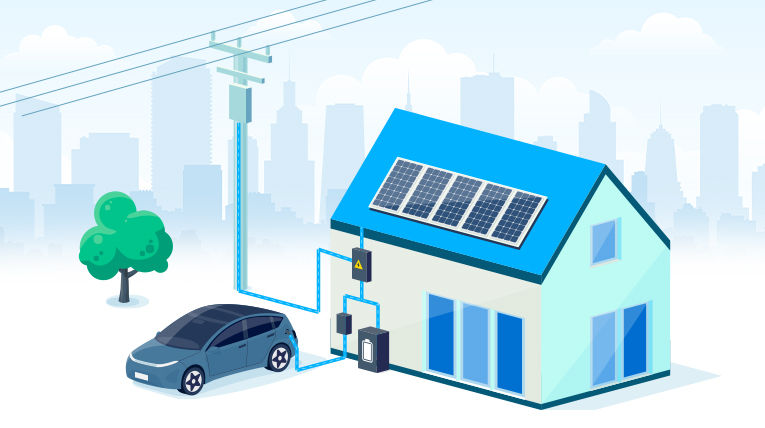
To maximize the efficiency and convenience of your home EV charging setup, it's essential to consider several key factors. Selecting the right type of charger is a crucial first step. There are various options available, each with its own advantages depending on your specific needs. Adjustable amp chargers offer flexibility by allowing you to customize power output based on your vehicle’s requirements and electrical capacity.
Fixed amp chargers provide a consistent power supply, ensuring reliable charging performance without the need for adjustments. Hardwired setups are permanently installed and offer enhanced safety features, making them ideal for long-term use. Plug-in models, on the other hand, provide convenience with easy installation and portability. Portable chargers offer flexibility by allowing you to charge your EV anywhere there's an available power source.
Understanding electrical panel requirements is another critical aspect of optimizing your home charging setup. Your electrical panel must be capable of handling the increased load from high-speed charging, which often necessitates upgrading to a higher capacity panel. This process involves assessing your current electrical infrastructure and determining whether it can support additional power demands.
Ensuring compliance with local permitting processes is essential for maintaining safety standards and avoiding potential legal issues. Local regulations may require specific permits or inspections before installing an EV charger, so it's important to familiarize yourself with these requirements ahead of time. Working with a certified electrician who understands local codes can help streamline this process, ensuring that your installation meets all necessary standards.
The Future of EV Charging: Trends and Innovations
As the demand for EVs continues to grow, so does the need for innovative charging solutions. Ongoing research and development are pushing the boundaries of what's possible in fast-charging technology, with new advancements on the horizon that promise even faster, safer, and more convenient charging experiences.
One exciting trend is the integration of wireless charging systems. These technologies eliminate the need for physical connections between the charger and vehicle, offering a seamless and hassle-free charging experience. Wireless chargers use inductive coupling to transfer power from the charging pad to the EV’s battery, providing a convenient alternative to traditional wired solutions.
Another area of innovation is in bidirectional charging, which allows EVs to not only receive power but also feed it back into the grid during periods of low demand. This technology has the potential to revolutionize energy management by enabling vehicles to act as mobile storage units that can help balance supply and demand on the electrical grid.
Looking ahead, advancements in battery technology are poised to further enhance the capabilities of EV chargers. Solid-state batteries, for example, offer improved safety features and higher energy density compared to traditional lithium-ion batteries. These innovations could lead to faster charging times and longer driving ranges, making EVs an even more attractive option for consumers.
Your Partner in Fast Charging Solutions
Powersource EV is committed to providing top-tier fast-charging solutions that meet the evolving needs of today’s electric vehicle owners. Our expertise in electrical engineering and dedication to safety ensure that your charging experience is both efficient and reliable. We offer a range of services tailored to help you optimize your home setup for maximum efficiency, including customized solutions for various types of chargers.
As we continue to advance our technology and expand our offerings, Powersource EV remains at the forefront of innovation in the electric vehicle charging industry. Our goal is to empower customers with reliable, fast, and safe installations that transform how you charge your electric vehicle—all while contributing positively to the broader community’s shift toward sustainable energy.


Comments